
From the Bishop
God is a welcoming God who knows we come with questions. We experience the world with its wondrous complexity, and we face life challenges.
The Living the Word Community is an initiative of the Diocese of Newcastle. We will explore how people of old grappled with their challenges. We will work with their sacred reflections. We will encourage one another in prayer.
When calamity struck, the ancient question was – “why are the God’s doing this?” The modern question might be – “but is there a God?”
Calamity can move us to the depth of our soul and inspire us to prayer. When it strikes, we can feel our inherited ways of thinkings collapse.
The Living the Word Community takes the Bible seriously. It is the central story of our faith. God speaks to us as we read it. God invites people to reconciliation, inner healing, hope, and a renewed way of living.
This is a community which invites you to pray. One of the earliest ministries we teach people is the ministry of prayer. It is often the last ministry sustained by the very elderly. In our prayers, we express our living partnership with God. We know that God, who is Love, has promised to be with us always. We seek inspiration and guidance as we engage in the world.
May the Living the Word Community encourage you. It is a community for Newcastle Anglicans and those who walk with us in the journey of faith.
With every blessing,
+Peter Stuart
Anglican Bishop of Newcastle
Genesis 1 to 2:3

It seems that people have always gone to war. War brings with it winners and losers. The winners exert power and influence. They hope to keep their treasures and economic gains.
Our bible passage comes from a time after a war when the ruling class and wealthy had been exiled in Babylon. While in a foreign land and as their children returned, they asked “how do we make sure this doesn’t happen again.”
War and exile were the calamity. The opening of Genesis is a part of a sacred reflection. The emerging leaders had settled on an answer. If we are more faithful, then bad things will not happen.
One of the key distinctives of the people of Israel was their belief in one God. The nations around them believed in many Gods. Each religion had music and stories to help people learn their culture.
The leaders of Israel wrote a new poem which is captured in Genesis 1 to 2:3. Time began when the ONE God called everything into existence in an ordered way. One of the main purposes of this poem was to teach people the reality of one God rather than many Gods. This belief was essential. Alongside it, the leaders taught people many ancient religious practices. They wanted all Israel to honour their special relationship with God.
We have so much knowledge about the earth and the universe. We know much more than the people of Israel could ever imagine. Many of our questions would be foreign to the ancient mind. Geology, archaeology, astronomy, and physics present us with different questions.
The ancient leaders – the writers of Genesis – were saying to their people – our captors believed this, but they are wrong. There are not many Gods – only one.
We need the poets and song writers of our age to tell a new story. You think there is no God – but there is!
The passage challenges the surrounding culture. It says the captor’s songs and stories are filled with mistakes. Don’t follow their ways.
We also need our story tellers and artists to help us distinguish wisdom from folly. We need them to hold contemporary culture to account.
It seems that one of the most worrying things for the ancient leaders of Israel was the busyness around them. Their insight was that each week needed space for reflection. That human activity had insufficient purpose unless people stopped. We need time to wonder and celebrate, to ponder and examine. They saw this as a gift and command from God.
We can only imagine what it was like for people to adopt this way of life. Slowly, activity is moved to six days including some preparation for the seventh day. Some rituals and prayers evolve to mark the transition into the time of rest. The conversations become different.
In the slowness, other things take more prominence. Light and dark. Water and dry. Moon and stars. Birds and animals. One and other. The poetry of the passage makes even more sense. It is a call to appreciate the wonder of creation. To see all that God has made and then honour God.
Our lives are filled with overwhelming busyness. We are driven to efficiency at work and then we pack as much as possible in before going to bed. Our entertainment is often highly stimulating with light and sound. Companies design products to hook us and keep us. We have lost the art of rest and forget why we need it.
The Genesis writers might look on our technology with awe. However, they would question our addictions. They would wonder when we encounter each other at real depth. They would challenge us for our fleeting engagement with God. They would encourage us to live differently.
For many of us, rest times allow our brains to form the questions we have been too busy or too fearful to ask. Rest allows us to appreciate other dimensions of life including a spiritual dimension. We sense that our purpose may have more to it than simply production and pleasure.
Genesis 1:1 to 2:3 is a wonderful poem that engages in wider thinking and presents people with challenges. It speaks to us today inviting us to ponder our beliefs and the ways we live.
Points for Prayer

As God is calling us to rest as well as busyness –
- Pray for those who must work extra hours or two jobs to pay for their housing
- Pray for families juggling the demands of work, school, housekeeping, and recreation.
- Pray for those who struggle because they do not have enough to do
As God is calling us to find ways of helping others to see why we believe what we do –
- Pray for encouragement for Christian artists, theologians, poets, and musicians
- Pray for Christians in places where it is dangerous to share their faith
Continue to pray
- That those who have capacity to influence nations, regions, and communities for justice and peace will do so
- For insight into actions we can take which demonstrate mercy and kindness to people in need
- For the victims of warfare, crime, abuse, and violence
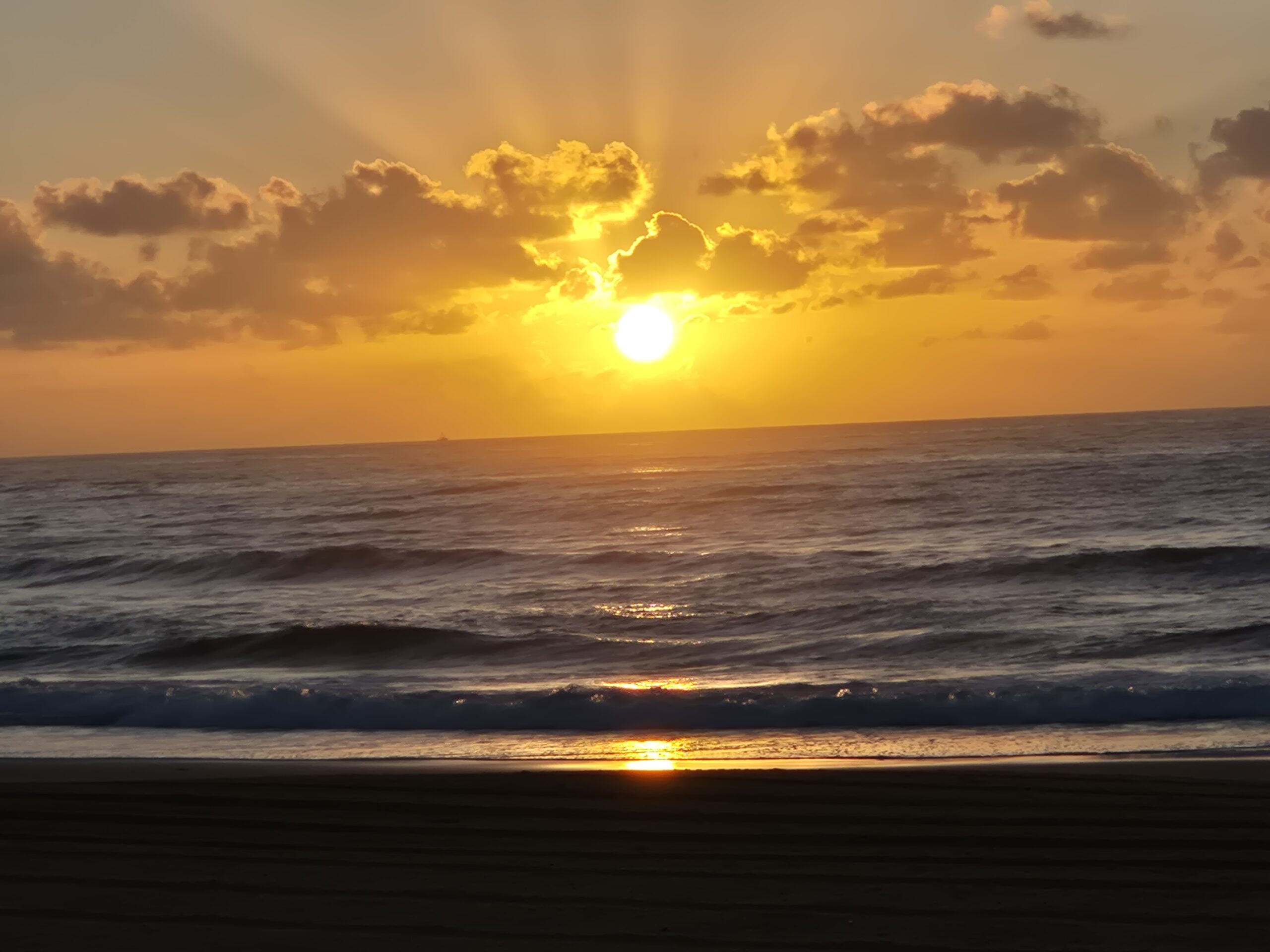
Take time to be outside at different times of the day and in different weather and
- Praise God for the beauty of Creation
- Praise God for knowledge seekers who expand our horizons of understanding
Teaching on Prayer – Centring Prayer

Choose a sacred word or phrase which is a reminder for you of God or holiness.
Find a quiet space. Choose a place where you are unlikely to be disturbed.
Set a timer (at least to begin with). At the beginning 10 minutes will feel like a long time. Soon 20 minutes will pass by very quickly.
Sit comfortably and alert. Sit in a way that allows you to be relaxed in body and awake in mind. Use a chair, cushion, or prayer rug according to your physical needs and preferences.
Close your eyes. Gently let your attention shift inward.
Listen to your heart. Let thoughts go. Whenever you become aware of a thought—no matter what kind—simply release it.
Whenever you feel distracted, quietly repeat your sacred word or phrase to help you return to silence.
At the end of the sit, say something like – “I end this prayer in the name of the Father, and of the Son, and of the Holy Spirit.”
Help us build the community

We would love to hear your stories of prayer. Please send them to [email protected]